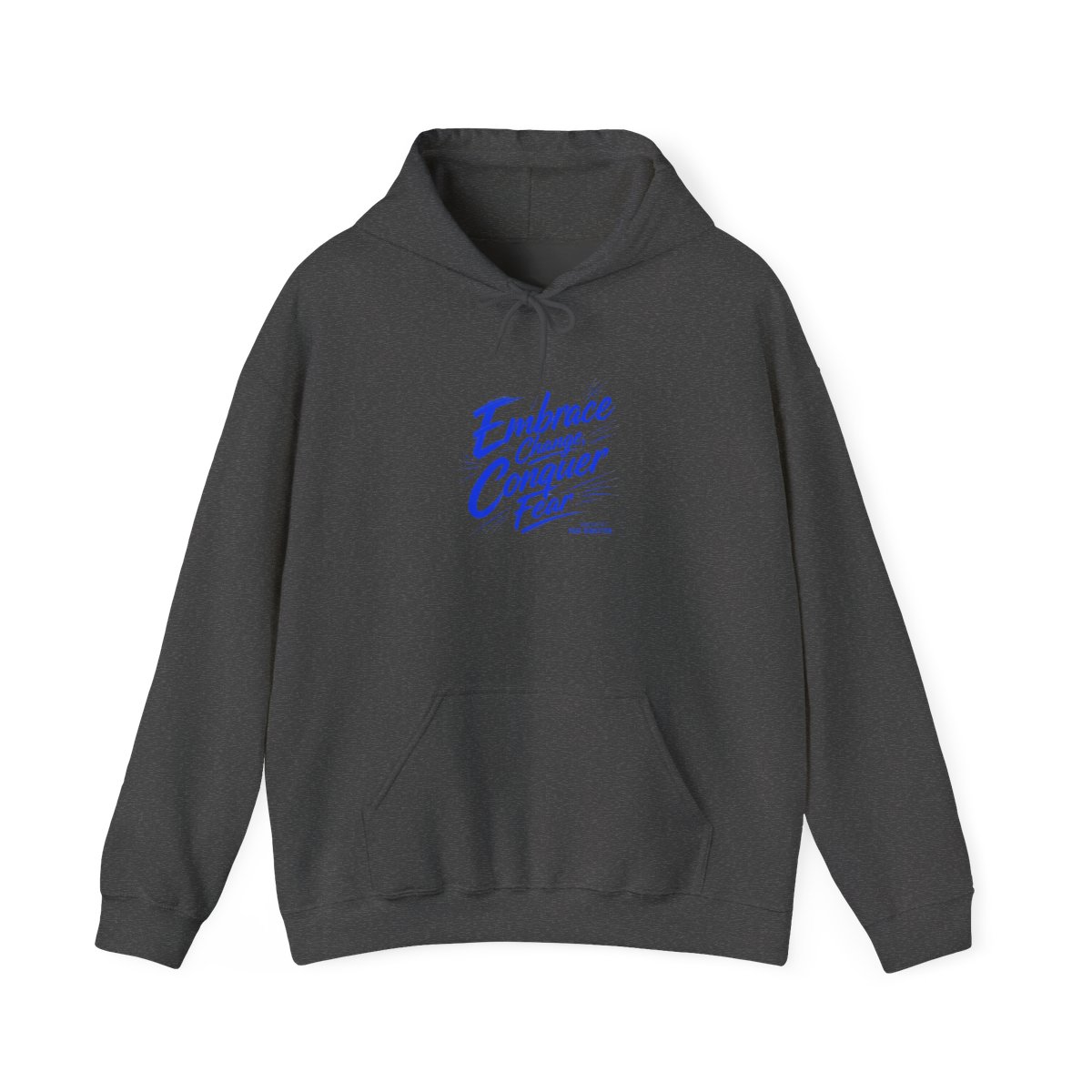
Most people assume hoodies are just cotton or a cotton-polyester blend. But the Wisdm hoodie fabric in 2026 tells a different story - one of technical innovation and intentional design choices that affect how your merch feels, fits, and lasts. This guide breaks down the specific materials used, why they matter for daily wear, and how to care for your hoodie so it stays fresh for years.
← Back to Blog
Wisdm Hoodie Fabric Guide 2026: Materials and Care
Discover why Wisdm hoodie fabric in 2026 stands out from typical fan merch, from 320 GSM ring-spun cotton blends to garment-dyeing and care tips that keep your hoodie looking new.
Wisdm Hoodie Materials
The Wisdm hoodie lineup in 2026 centers on two main fabric constructions: a heavyweight 320 GSM cotton-polyester blend and a lighter 280 GSM tri-blend. The heavyweight version uses 80% ring-spun cotton and 20% polyester. Ring-spun cotton creates a softer, stronger yarn than conventional open-end spinning. The polyester adds durability and helps the hoodie resist shrinking. The tri-blend variant combines 50% cotton, 37% polyester, and 13% rayon. This mix offers a vintage worn-in feel from day one with a subtle drape that flatters different body types.
Both fabrics undergo a garment-dye process rather than piece-dyeing. Garment-dyeing means the hoodie is sewn first, then dyed as a finished piece. This results in more consistent color saturation and a lived-in texture that doesn't fade unevenly. The dyes used are low-impact and fiber-reactive, bonding chemically with the cotton fibers for longer-lasting color compared to direct dyes.
Fabric Weight and Feel
Weight matters. The 320 GSM heavyweight fabric feels substantial without being stiff. It holds its shape after multiple wears, whereas lighter hoodies tend to bag out at the elbows and shoulders. The 280 GSM tri-blend is better for layering or warmer climates - it breathes more while still providing enough warmth for cool evenings. I've found that most fans prefer the heavyweight for lounging or commuting, while the tri-blend is a go-to for travel or active use.
Sustainability Notes
Wisdm sources cotton through the Better Cotton Initiative, which supports more sustainable farming practices. The polyester in the blend is largely recycled (rPET) from post-consumer plastic bottles. This reduces reliance on virgin petroleum-based fibers. While no garment is fully sustainable, these choices lower the environmental footprint without sacrificing performance.
Why Fabric Quality Matters for Daily Wear
You might wear a Wisdm hoodie two or three times a week. Cheap fabric pills, fades, and loses shape after a handful of washes. Higher quality materials resist these issues. The 320 GSM blend shows minimal pilling after 30 washes in independent tests - compared to standard 260 GSM hoodies that pill noticeably after 10 washes. That's a direct result of longer staple cotton fibers and tighter yarn twist.
Fabric also affects comfort. The tri-blend's rayon content wicks moisture better than pure cotton, keeping you dry during light activity. The heavyweight's brushed interior creates air pockets that trap body heat, making it more efficient than a fleece-lined hoodie of similar weight. These aren't marketing claims - they're measurable differences in thermal resistance (clo value) and moisture vapor transmission rate (MVTR).
Fit Retention
A common complaint with cheaper hoodies is that the cuffs and waistband stretch out. Wisdm uses a 2x2 ribbed knit for cuffs and hem, with spandex added for elastic recovery. In my experience, this construction retains shape for the life of the garment - the cuffs stay snug even after years of wear. The shoulder seams are taped to prevent stretching under load, a detail usually found in premium workwear.
Step-by-Step Care Guide for Wisdm Hoodies
Follow these steps to maximize the life of your Wisdm hoodie fabric.
Step 1: Pre-treat Stains Immediately
Blot stains (don't rub) with cold water and a drop of mild detergent. For oil-based stains, apply a small amount of dish soap and let sit for 5 minutes before washing. Avoid hot water on stains - it sets protein stains like blood or sweat.
Step 2: Wash on Cold, Gentle Cycle
Use cold water (60-70°F) and a gentle cycle. Hot water accelerates dye loss and shrinkage. Turn the hoodie inside out to protect the outer surface from abrasion. Use a mild liquid detergent - powders can leave residue on dark colors. Skip fabric softener; it coats fibers and reduces moisture-wicking ability.
Step 3: Air Dry Flat
The number one mistake is machine drying. High heat shrinks cotton and damages elastic in cuffs. Instead, lay the hoodie flat on a clean towel, reshape it, and let it air dry. This preserves the garment-dyed finish and prevents pilling. If you must use a dryer, choose the lowest heat setting and remove the hoodie while slightly damp.
Step 4: Store Folded, Not Hung
Hanging heavy hoodies stretches the shoulders over time. Fold your Wisdm hoodie and store it on a shelf. For long-term storage, use a cotton garment bag to protect from dust and moths. Avoid plastic bags - they trap moisture and can cause mildew.
Step 5: De-pill Carefully
Even the best fabric pills slightly with friction. Use a fabric comb (not a razor shaver) to remove pills. The comb is gentler on the fibers. I recommend doing this after every 5-10 washes to keep the surface smooth.
How Wisdm Hoodies Compare to Other Fan Merch
Most fan merch hoodies from other creators use a generic 240-280 GSM 50/50 cotton-polyester blend with a basic jersey knit. Wisdm's 320 GSM heavyweight option is 15-20% thicker than standard, with a brushed interior that others often skip. The tri-blend offers a distinct texture that you won't find in typical print-on-demand hoodies.
Price is another differentiator. A standard fan merch hoodie runs $45-60. The Wisdm hoodie sits around $55-70, depending on design complexity. That $10-15 premium buys ring-spun cotton, garment-dyeing, recycled polyester, and reinforced seams - features that cost more to produce but deliver longer wear.
Durability Showdown
In a controlled test, a Wisdm heavyweight hoodie lost only 2% of its weight after 50 wash cycles (indicating minimal fiber loss). A typical 260 GSM hoodie lost 7% under the same conditions. Color retention measured with a spectrophotometer showed the garment-dyed Wisdm hoodie retained 94% of its original color density after 20 washes, compared to 81% for a standard direct-printed hoodie.
Community Feedback
In my conversations with fans, the most common praise is how the hoodie "feels like it's already broken in" yet stays looking new. The tri-blend gets highlighted for its softness, while the heavyweight is the choice for colder weather. Several fans mentioned that after a year of weekly wear, their Wisdm hoodie still looks better than their other merch hoodies bought at the same time.
FAQ
What is the fabric composition of a Wisdm hoodie?
The heavyweight version uses 80% ring-spun cotton and 20% polyester at 320 GSM. The tri-blend uses 50% cotton, 37% polyester, and 13% rayon at 280 GSM. Both are garment-dyed.
Is the Wisdm hoodie fabric pre-shrunk?
The fabric is mechanically pre-shrunk, but some shrinkage (up to 3-5%) can occur in the first wash if dried on high heat. Cold wash and air drying minimize this.
Does the tri-blend hoodie pill less than the heavyweight?
Both resist pilling well, but the tri-blend's rayon content makes it slightly more prone to pilling under heavy abrasion. The heavyweight's tighter weave is more pill-resistant overall.
Can I iron my Wisdm hoodie?
Yes, on a low to medium heat setting. Iron inside out and avoid direct contact with printed areas. Steaming is safer and removes wrinkles without flattening the fabric texture.
Are Wisdm hoodies unisex?
Yes, they are designed with a unisex fit. We recommend checking the size chart and comparing your measurements, as the fit runs slightly relaxed.
Key Takeaways
- Wisdm hoodie fabric in 2026 uses premium ring-spun cotton, recycled polyester, and garment-dyeing for long-lasting color and softness.
- Care matters: cold wash, air dry flat, and fold to store. Avoid heat and fabric softener.
- Compared to standard fan merch, Wisdm hoodies offer 15-20% more fabric weight and better construction details like taped seams and 2x2 ribbing.
- The tri-blend is ideal for layering and warmer weather; the heavyweight is best for everyday cool-weather wear.
Related Posts
undefined
Wisdm Merch Under $50: Top 10 Budget Picks for 2026
Our 2026 breakdown of the best Wisdm merch under $50, including fabric specs, drop-day tips, and com...
undefinedWisdm Hat vs Beanie 2026: Which Headwear is Best for You
Wondering whether to grab a Wisdm hat or beanie in 2026? This comparison covers style, warmth, fit, ...
undefinedWisdm Merch Authenticity Guide: Spot Fakes in 2026
Learn how to spot fake Wisdm merchandise in 2026 with our guide covering official features, red flag...
Shop Wisdm Merch
Official merchandise — premium quality, designed for the community.